
Bad Debt Purchase
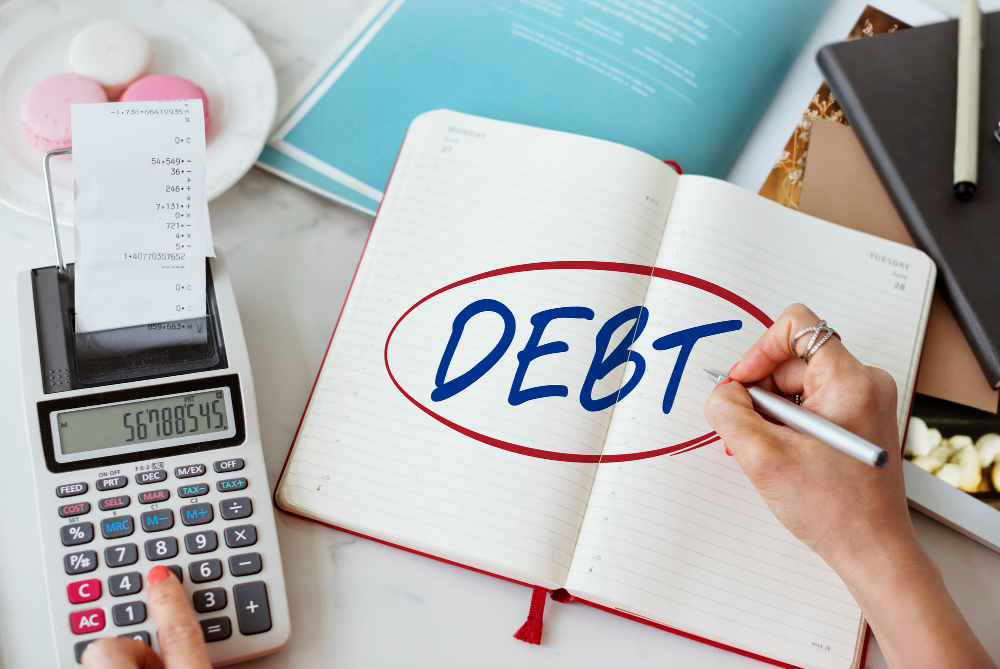
Bad debt purchase is a process where we buy bad or non-performing debts from creditors, such as businesses, banks, or financial institutions. These are debts that have become overdue, and the debtor is either unwilling or unable to pay. We buy the debt and takes on the responsibility of recovering the debt from the debtor.
Benefits of Bad Debt Purchase
a. Immediate Liquidity for Creditors
- For businesses, especially those with large amounts of overdue debt, selling bad debts provides immediate cash flow, which can be reinvested in operations or used to pay off liabilities. This can be a lifeline for businesses facing financial challenges due to overdue accounts.
b. Reduced Administrative Burden
- Debt collection can be time-consuming and costly. By selling bad debts, businesses no longer need to invest in internal collection efforts, saving on resources, time, and administrative costs. We take on the responsibility, including any legal costs or negotiations.
c. Risk Transfer
- Selling bad debts transfers the risk of non-recovery to us. The original creditor is no longer liable for the recovery of these debts, allowing them to move on and focus on their core business activities.
Types of Debt Typically Purchased
We purchase different types of bad debt, including:
a. Consumer Debt
- Credit Card Debt: Outstanding balances on credit cards, often sold by banks or financial institutions.
- Personal Loans: Unpaid personal loans that are no longer performing and have been written off by the lender.
- Medical Bills: Outstanding medical bills that patients have failed to pay.
- Utility Bills: Unpaid utility bills that have been outstanding for a long period.
b. Commercial Debt
- Business Loans: Unpaid loans or lines of credit extended to businesses that have defaulted.
- Supplier/Trade Debt: Outstanding payments owed by businesses to suppliers for goods or services provided.
- Leases and Rental Payments: Commercial property leases, equipment leases, or rental agreements that have fallen into arrears.